
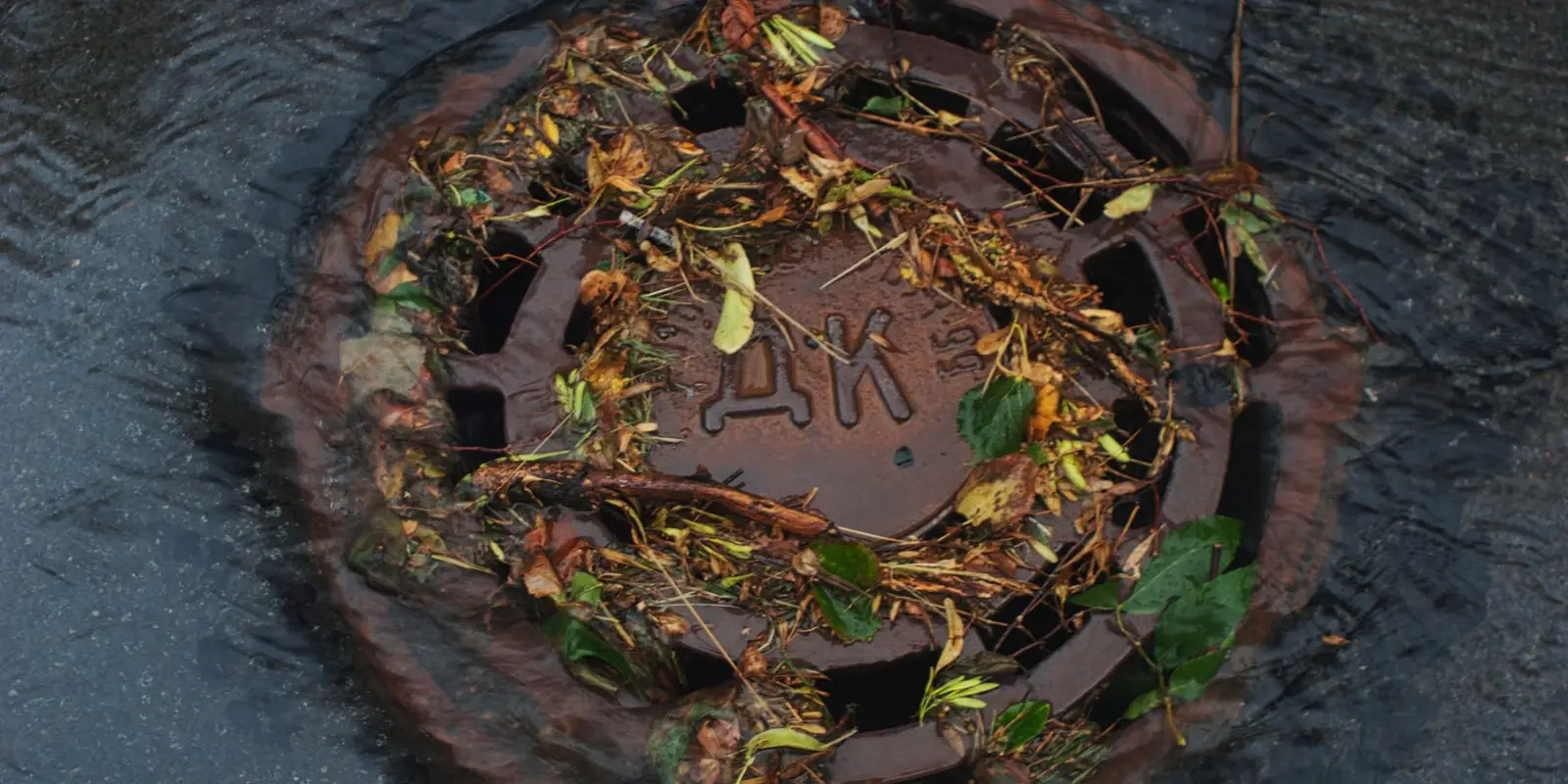
Drainage services
Drain Service in Miami, FL
Everything that goes down a drain has to get somewhere. When it does not, we find the blockage and the reason behind it.
How drains work, and why Miami drains have it rough
A home drain system is a set of pipes that rely on gravity and air. Water and waste flow downhill through the fixture trap, into a branch line, then into the main line that leaves the house. A vent system lets air in behind the water so it can flow freely. When any piece of that falls short, you get slow drains, gurgling or backups.
South Florida adds its own wrinkles. The water table is high and the ground is flat, so there is little natural slope and water sits close to the surface, especially after summer storms and during the king tides that push water up into low-lying streets in the fall. Mature ficus, mango and oak trees send roots toward any pipe that leaks a little moisture. And many houses still rely on drain lines that are decades old.
Some Miami-Dade homes are connected to the county sewer, while others still use septic tanks. Which you have affects what a backup means and who is responsible for the line. If you are not sure, tell us when you call and we will help you sort it out.
Drain services we offer
Today the focus is drain cleaning, which covers the clogs people call about most. If we find the cause is more than a clog, we will tell you.
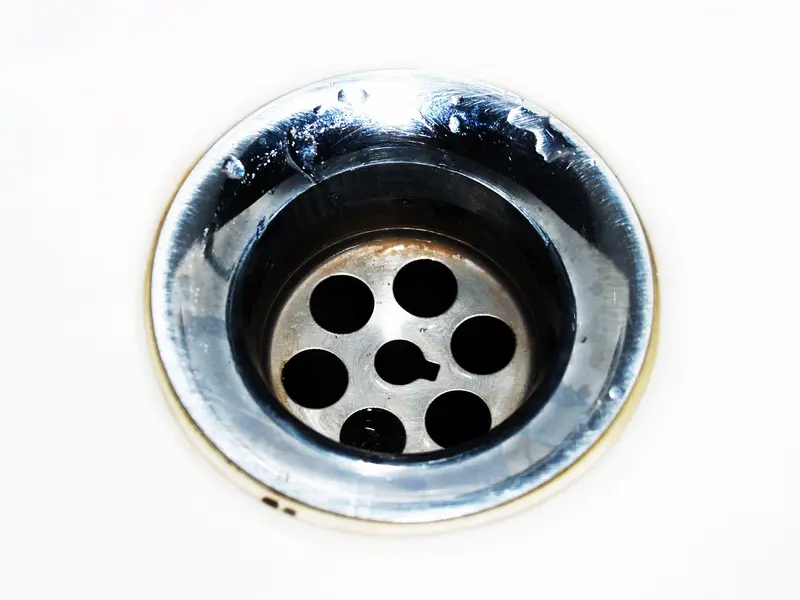
Why drains deserve a closer look
Clearing a clog is the quick part. The useful part is knowing why it formed. A drain that is slow once is a nuisance; a drain that clogs every month is telling you the pipe has a problem: grease buildup, roots, or a line that no longer slopes the way it should.
We treat the clog and the cause as one job. That is the difference between a plumber who sells you a fix each time and one who helps you stop calling.
Frequently asked questions
What is the difference between a clog and a damaged drain line?
A clog is material blocking the pipe, which cleaning removes. A damaged line, such as a crack, offset joint or sagging section, keeps catching material and clogging again. Repeat clogs in the same place usually point to damage.
Why do my drains slow down after heavy rain in Miami?
Heavy rain raises the water table and can saturate the ground around buried lines and septic systems, which slows how fast water can leave your home. If a drain backs up only in wet weather, mention that when you call.
Are my drains connected to the sewer or to a septic tank?
Both exist in Miami-Dade. Your utility bill, your property records or a look at the yard for a tank access lid can tell you. If you are on septic, backups can mean the tank needs service rather than the drain needing cleaning.
How often should drains be cleaned?
A healthy drain does not need scheduled cleaning. If one slows down or backs up, clean it promptly. Lines that clog often usually need the underlying cause addressed instead of more frequent cleanings.
Can I pour grease down the drain if I run hot water?
No. Hot water keeps grease liquid for a moment, but it cools and hardens further down the line. Wipe pans into the trash and let small amounts of grease cool and go out with it.
Slow drain or a backup? Tell us what is happening.
Call and describe which drains are affected. That helps us tell a simple clog from a main-line problem.
(786) 355-1387Go to the contact page