
Miami Beach
Plumber in Miami Beach, FL
Salt air, tidal flooding, older buildings and condo rules: Miami Beach plumbing and roofing have their own set of challenges.
Working on a barrier island
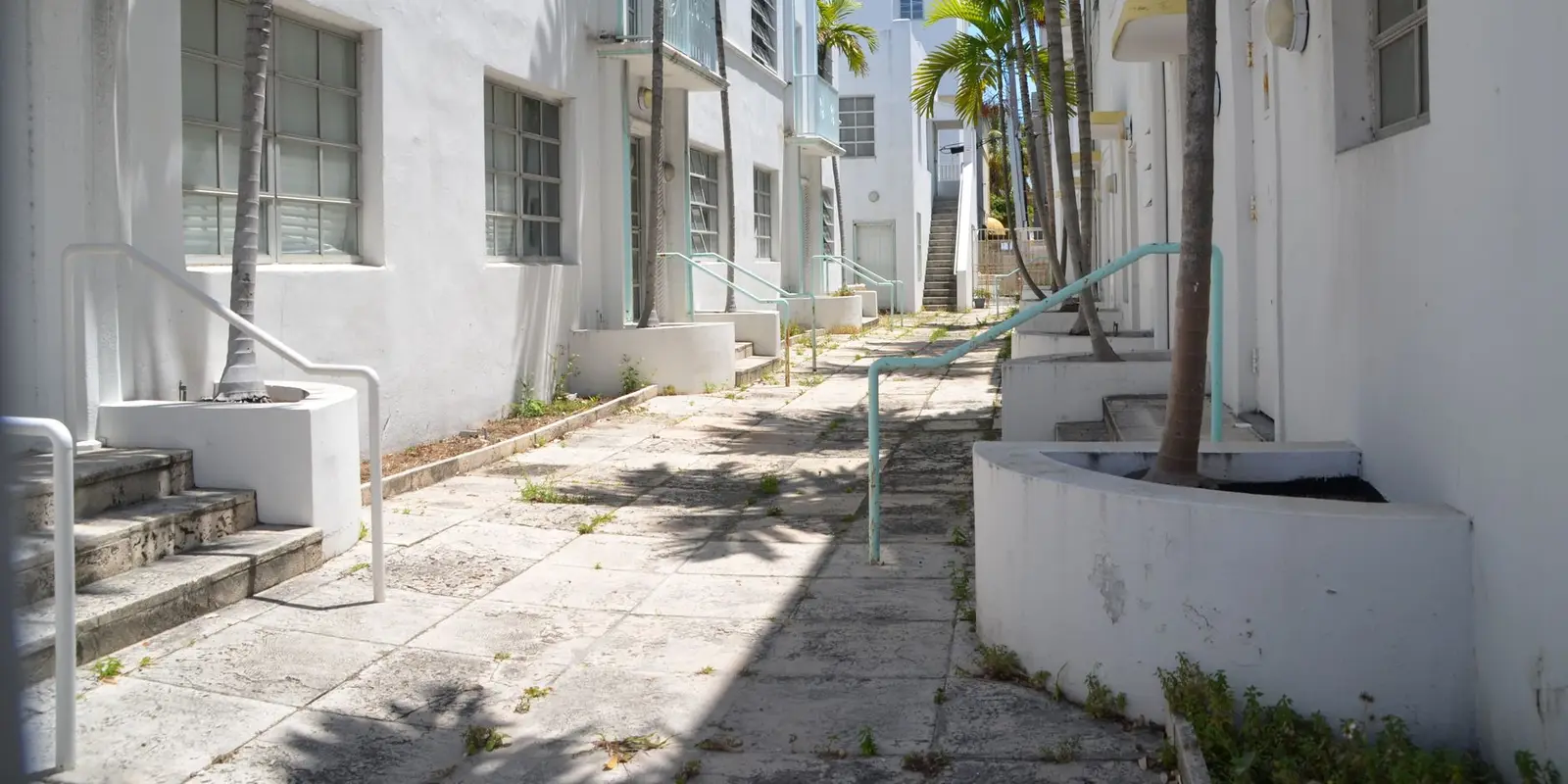
Miami Beach is its own city on a barrier island between Biscayne Bay and the Atlantic, reached from the mainland over causeways. South Beach is known for Art Deco buildings from the 1930s and 1940s, Mid-Beach and North Beach have mid-century apartment buildings and condos, and there are single-family neighborhoods as well. Much of the housing is multifamily, which shapes how plumbing and roofing problems play out.
The island is only a few feet above sea level, and flooding is a regular concern: the city has been raising roads and installing pumps because high tides and heavy rain can put water in the streets. Salt air is hard on metal, from shutoff valves and water heater fittings to roof flashings and mechanical equipment on rooftops.
Older buildings here often have original cast-iron stacks and a tangle of renovations behind the walls. A leak that appears in one apartment may start two floors up, which is why careful tracing matters more than quick guesses.
What Miami Beach customers ask about
Water Leak Detection
In condo and apartment buildings, a ceiling stain often starts in a unit above, and tracing the source takes patience and good testing.
Roof Repair
Many Miami Beach buildings have flat roofs that pond water after storms, and salt air attacks the flashing and fasteners.
Water Heater Repair
Closet-sized heaters in condos are tight to work around, and corrosion at the fittings is a common reason for leaks.
Commercial Plumbing
Shops, restaurants and small hotels around the island need plumbing repairs scheduled around guests and customers.
Local considerations for plumbing and roofing on Miami Beach
Condo and association rules
Many buildings require approval before work starts and may have rules about hours and the documentation contractors must provide. Ask your association what they need before you book.
Salt air and corrosion
Coastal air speeds up corrosion of fittings, valves, fasteners and rooftop flashing. Equipment near the water ages faster than the same equipment inland.
Historic and older buildings
Art Deco-era buildings often have original cast-iron plumbing stacks, and exterior changes in the historic districts can be subject to review. Check what applies to your building.
Low elevation and tidal flooding
Water in the streets and a high water table can slow drains and complicate underground lines. A drain that backs up during a high tide is a different problem from one that backs up on a dry day.
Service area: Miami Beach, FL
Questions about service in Miami Beach
Do you work in Miami Beach condos?
We can look at plumbing problems in condos. Buildings usually have their own requirements for contractors, so check with your association or manager before scheduling.
Why do flat roofs in Miami Beach leak so often?
Flat roofs shed water slowly, so any low spot holds water, and standing water finds the smallest gap. Salt air also wears down flashing and sealants. A roof that holds water for a day or more after rain should be looked at.
Can salt air really damage my plumbing?
Yes, it speeds up corrosion on exposed metal such as valves, fittings and fasteners. Parts near the ocean side of the island tend to wear faster, and checking them is part of keeping a system healthy.
Do tidal floods affect my drains?
High water and a saturated ground can slow how quickly drains empty, and low-lying properties can see backups during the highest tides. If your drains back up only on certain days, tell us the pattern.
Plumbing or roof trouble on the beach?
Tell us the building type and what you are seeing. We will explain how we would approach it.
(786) 355-1387Go to the contact page